Fiction Books About Anxiety For Elementary Students
My daughter used to hide under her desk. Every morning before school. She would not come out. She said her stomach hurt. She said she felt sick. But she was not sick. She was scared. I did not know what to do. I tried talking. I tried bribing. I tried everything. Nothing worked.
Then a teacher gave me a book. She said read this with your daughter. So we did. We read it together on the couch. My daughter asked questions. She pointed at pictures. She said "that is fiction books about anxiety for elementary students." That book changed things. Not overnight. But slowly. She started coming out from under the desk. She started going to school without crying. She still gets worried sometimes. But now she has tools. She has words. She has hope. This is why books matter. This is why I am writing this.
What Anxiety Looks Like in Kids?
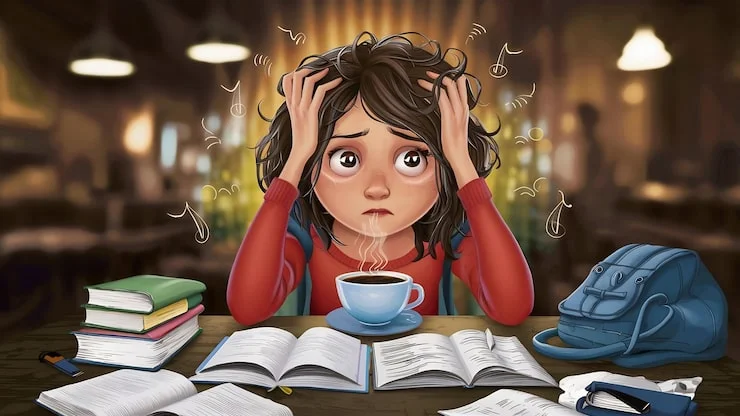
You might see a child who cries a lot. You might see a child who cannot sleep. You might see a child who bites their nails until they bleed. You might see a child who will not eat lunch. You might see a child who follows you everywhere.
These are not bad kids. These are scared kids. Their brains are telling them something bad will happen. Even when nothing bad is happening. They cannot turn it off.
My son does this thing. He asks the same question over and over. "Are you sure we are going?" "Are you sure it will be okay?" "Are you sure?" He needs to hear the answer many times. That is his worry talking.
Kids show anxiety in different ways. Some get angry. Some get quiet. Some get sick. Some get clingy. The feeling underneath is the same. They are afraid.
Read Also: Mystery Books For Elementary Readers
Books That Made a Difference
I asked other parents. I asked teachers. I asked the school counselor. These are the books they kept mentioning. These are the books that worked.
What to Do When You Worry Too Much?
This book is different. It is not just a story. It is a book you do things with. My daughter wrote in it. She drew in it. She folded pages. She carried it around.
The book teaches kids to argue with their worry. It says when worry tells you something scary, you talk back. You say "that is not true." You say "I am fine."
This book was written by a psychologist. She knows kids. She knows how they think. She made this book fun. It does not feel like therapy. It feels like a game.
The newest version came out last year. It has new stuff for kids today. Kids who have phones. Kids who see news. Kids who hear about bad things happening. It helps with all of that.
My Brilliant Brain
This one comes in two parts. One part is for the child. One part is for the grown-up.
The child book talks about the brain. It talks about the part that gets scared. It calls that part Myg. Myg is like a guard dog. Myg barks when something feels wrong. But sometimes Myg barks too much. Myg barks when there is no danger.
Kids like this. They like having a name for the scared part. They can say "Myg is barking again." That makes it less scary.
The grown-up book tells you what to do. It gives you activities. It gives you scripts. It tells you what to say and when to say it. This helps a lot. You do not have to figure it out on your own.
Wilma Jean the Worry Machine
This book is funny. Wilma Jean worries about everything. She worries about the weather. She worries about what to wear. She worries about what kids think of her.
My son laughed at this book. He laughed out loud. He said "she is crazy." But then he got quiet. He said "I worry about that too."
That is what this book does. It makes kids laugh. Then it makes them think. Then it makes them talk.
The book shows Wilma Jean learning to handle her worries. She does not stop worrying. That is not realistic. But she worries less. She worries smaller. She learns to cope.
Ruby's Worry
This book is for younger kids. The pictures are beautiful. Ruby is a little girl. One day she finds a worry. It is small. It fits in her pocket. But it grows. It gets bigger and bigger. Soon it is huge. Ruby cannot do anything. The worry is everywhere.
Then Ruby meets a boy. The boy has a worry too. They talk. They share. And their worries get smaller.
This book is simple. But it is powerful. It teaches kids that talking helps. It teaches them that everyone has worries. They are not alone.
My daughter read this book in first grade. Her teacher read it to the whole class. Then they talked about it. Kids shared their own worries. It was a good day.
Nellie in Knots
Nellie is a girl with a knot in her stomach. That is how anxiety feels. A tight knot. A hard knot. It does not go away.
Nellie learns skills. She learns to breathe. She learns to name her feelings. She learns to ask for help. The knot does not disappear. But it gets looser. She can handle it.
This book is practical. It gives kids things to do. Things they can remember. Things they can use at school. Things they can use at home.
How We Read These Books?
Just reading the book is not enough. You have to do more. Here is what worked for our family.
Read Together
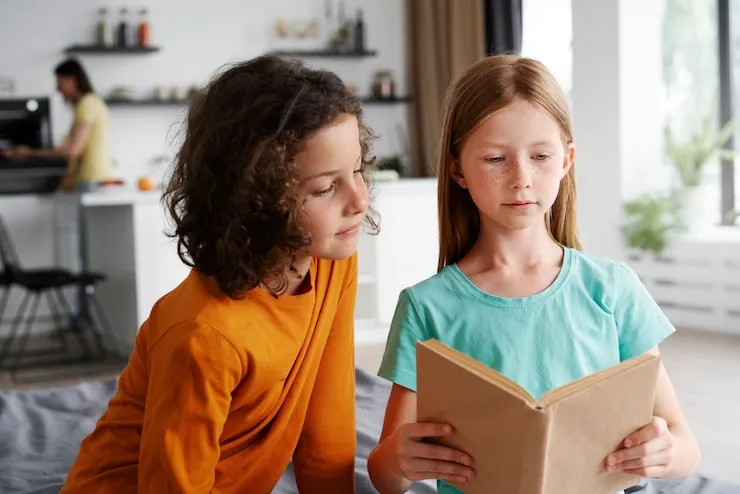
I sat with my kids. We read out loud. Sometimes I read. Sometimes they read. We took turns.
I did not rush. We stopped when they wanted to stop. We talked about pictures. We made guesses about what would happen next.
This time together was important. It showed my kids that I cared. It showed them that worry was not a bad word. We could talk about it.
Talk About It
After we finished, we talked. I asked simple questions. "How did that make you feel?" "What did you think about that part?" "Have you ever felt like that?"
I did not push. If they did not want to talk, that was fine. We just sat with the book. We let it sit between us.
Sometimes they talked later. Sometimes they talked the next day. Sometimes they never talked. But the book was there. It opened a door.
Do the Activities
- These books have activities. They have places to write. They have places to draw. We did those together.
- We wrote down worries. We drew pictures of worries. We cut out pictures from magazines. We made collages. We made lists.
- Doing the activity made it real. It moved the lesson from the book into our lives.
Use the Ideas
We started using what we learned. When my son asked the same question over and over, I said "is Myg barking?" He would nod. We would breathe together. We would do the thing from the book.
It took time. It took practice. Sometimes it worked. Sometimes it did not. But we kept trying. That is what matters.
You May Also Like: Fiction Books About Perseverance For Kids
What I Learned Along the Way?

I learned a few things. Maybe they will help you too.
Kids Need Words
Kids do not always know how to say what they feel. They just know they feel bad. They know they feel scared. They do not have the words.
Books give them words. They give them a way to say "I feel worried" instead of just crying. That makes a big difference. When they can name it, they can start to handle it.
Normalizing Helps
Kids think they are the only ones. They think something is wrong with them. They feel fiction books about anxiety for elementary students.
Books show them other kids. Other kids who feel the same way. Other kids who worry too. This makes them feel normal. This makes them feel okay.
Connection Matters
Reading together creates connection. You are sitting together. You are sharing something. You are showing up for them.
That connection is what helps most. More than the book itself. More than the activities. Just showing up. Just being there.
Progress Is Slow
Do not expect a quick fix. It took us months. It took years. My daughter still has hard days. My son still asks the same question too many times.
But they are better. They have tools. They have words. They have hope. That is what matters.
One Last Thing
If you have a worried kid, get a book. Get one from this list. Read it with them. Talk about it. Do the activities.
It might not fix everything. But it will help. It will give them something to hold onto. It will show them they are not alone. It will open a door.
That is what happened for us. That is why I am sharing this with you.
Books Mentioned
- What to Do When You Worry Too Much - Dawn Huebner
- My Brilliant Brain - A set with a storybook and a parent guide
- Wilma Jean the Worry Machine - Julia Cook
- Ruby's Worry - A picture book for younger kids
- Nellie in Knots - A story about stomach knots and what to do
Where to Find These Books?
Your local library has many of these. You can borrow them for free. That is what we did. We took them out and read them. We renewed them when we needed more time.