Best Educational Books For 3 Year Olds At Home
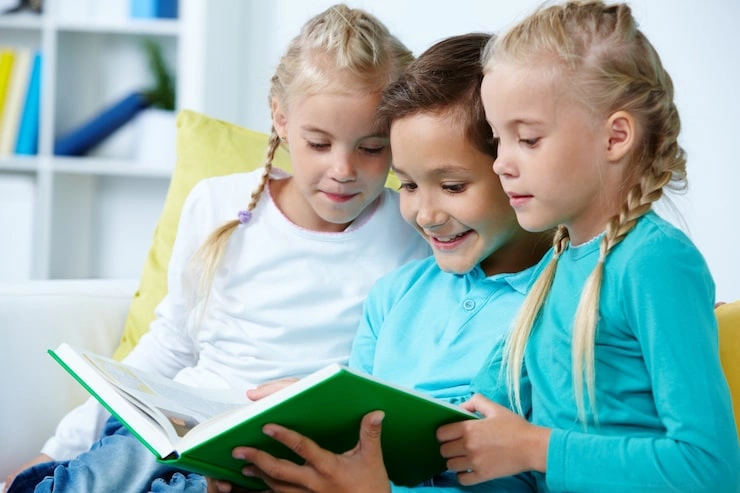
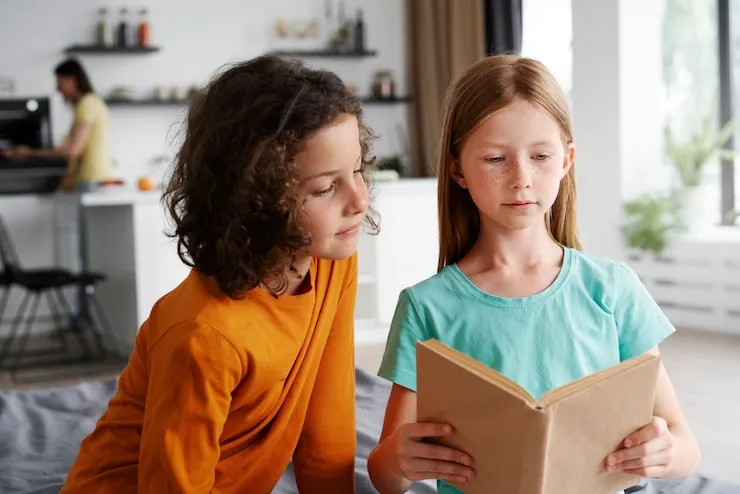
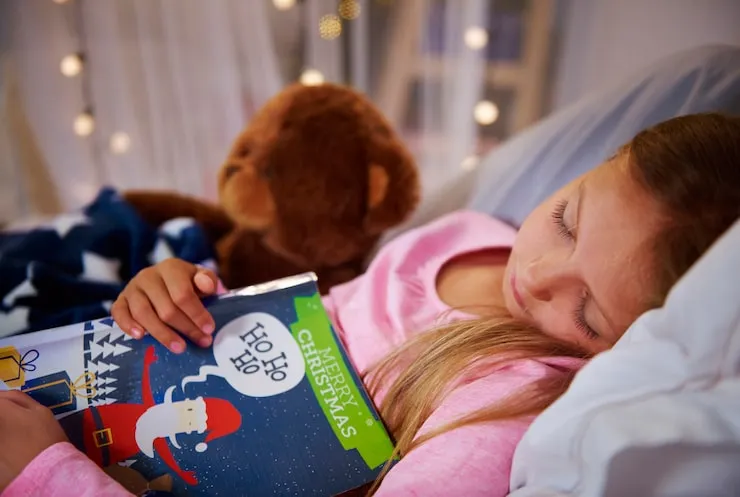
Reading with your three-year-old turns ordinary afternoons into treasure hunts for the mind. Picture this: your kid's eyes light up as you flip a page, discovering a hidden world of colors and critters. The best educational books for 3 year olds at home do more than entertain—they sneak in lessons on numbers, letters, and feelings through rhymes and pictures that stick. I've been there, knee-deep in toys, grabbing books to calm the chaos or spark giggles. No fancy setup needed; just you, them, and a cozy corner. This guide picks winners that fit busy home life, with tips to make reading a daily win.
Why Books Matter for Three-Year-Olds?
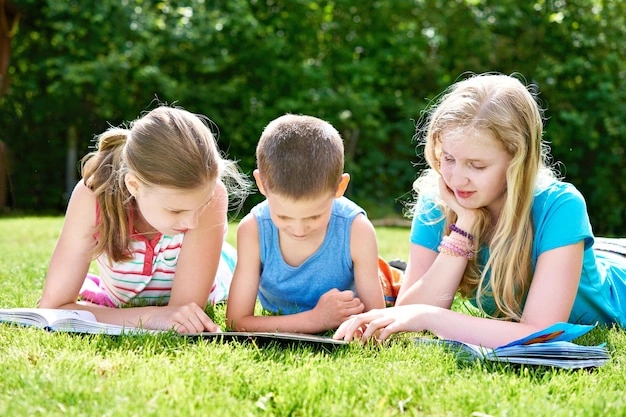
At three, kids explode with questions—why's the sky blue? What's that bug doing? Educational books feed that fire, packing vocab and concepts into bite-sized stories. They build focus too; following a plot page by page trains attention better than flashing screens. You chat as you read: "Look, the red apple! Is it yummy?" This back-and-forth explodes language skills.
I remember my nephew, quiet at first, suddenly naming birds after weeks of bird books. Experts back it—daily reading exposes kids to 1.4 million more words by age five. Home perks? No schedules; read during diaper changes or car waits. Messy pages? Normal. Let them touch, smell, even taste a corner. It all wires their brain for curiosity. Short sessions beat marathons. Mix silly voices with pauses for their input. Soon, they'll "read" back to you, beaming. These moments aren't just smartening them up—they're gluing your hearts together forever.
Read: How Does Reading Help In Developing A Sense Of Empathy
Top Picture Books That Teach Colors and Shapes
Nothing beats picture books for colors and shapes—they're visual feasts that three-year-olds devour. Bold reds scream from fire trucks, circles roll as wheels; kids point naturally. Stories tie it to action, like stacking square blocks or spotting blue skies.
Take a tale of a curious cat chasing colors: red ball bounces, green grass tickles paws. You predict: "What's yellow next?" Another stacks shapes into towers—triangles on top, rectangles base. Rhymes like "Round and round, wheels go down" make it musical.
We'd play post-read: hunt fridge magnets by color. My friend's tot started sorting laundry that way—laundry day turned lesson! Durability counts; glossy pages wipe clean. Rotate with seasons—fall oranges, summer blues. Ask open questions: "Which shape is your snack?" It sharpens eyes for real life, prepping art or puzzles. Parents rave: skills bloom fast, confidence soars. Pure joy in paper form.
Interactive Books to Spark Imagination
Interactive books are gold for antsy threes—they demand touch, turning readers into explorers. Flaps hide treasures, textures beg fingers; it's reading you can grab. Teaches animals, habitats, even seasons hands-on.
One where peeking under flaps reveals ocean depths: fish dart, jellyfish glow. Lift, gasp, name. Feelies add magic—rough shark skin, squishy octopus. Pop-ups? Boats sail up waves, castles rise tall. My kid obsessed over a farm one, mooing at fuzzy cows endlessly.
Afternoon ritual: "Your turn to lift." Builds dexterity, turn-taking. Extend with backyard hunts—find "flap" leaves. Tantrums ease when hands stay busy. One mom said her shy girl opened up retelling flap stories at preschool. Choose chew-proof ones. These aren't passive; they ignite pretend play, like toy oceans post-read. Imagination soars, social skills sneak in. Best for rainy days or energy bursts.
| Book Type | Key Feature | Teaches | Best Time to Read |
|---|---|---|---|
| Flap Books | Hidden surprises | Animals, hiding | Playtime energy boost |
| Touch & Feel | Textures to stroke | Sensations, words | Bedtime calm-down |
| Pop-Up | 3D lifts | Sizes, movement | Morning excitement |
Books That Introduce Letters and Sounds
Letters click easiest through play, not flashcards. Top picks parade A-Z with goofy characters, blending sounds into songs. Big letters loom large, paired with pics like "D for dancing dog."
An alphabet parade: ants at A, zebras zip at Z. Chant "Aaaapple" slow. Textured editions shine—bumpy B for ball. We traced letters on foggy windows, giggling at steamy art.
Tie to life: "C for cookie—crunch!" Bath time? Foam letters float. My cousin's boy spotted A on aprons weeks later, thrilled. No rush; mastery comes repeating favorites. Vary paces—fast rhymes for fun, slow for sounds. Phonics foundation forms here, easing kindergarten reads. Ditch dry lists; stories charm. Watch them light up naming "their" letter. Home magic at work.
Counting Books That Make Numbers Fun
Counting books turn "one, two" into romps. Down-from-ten tales thrill—monkeys tumble, ducklings dive—numbers shrink with action. Classic: ten tickly toes wiggle, count down to hugs. Bold numerals jump, rhymes pulse. Vehicles count up: one bus, ten bikes zooming.
Real-world hack: pea pods for pods, fingers for monkeys. Car rides? Count trucks. My toddler tallied steps to bed—math in motion. Subtle adds/subtracts teach flow. Board books endure tumbles. Bedtime countdowns soothe. Parents see stairs counted solo soon. Joyful reps build number sense, banishing math fears early. Laughter's the best educational books for 3 year olds at home.
Emotion Books to Build Empathy
Three hits emotion tsunamis—books name them gently. Faces show mad frowns, happy grins; stories resolve with hugs. Grumpy bunny learns breaths calm rage. Colors shift: stormy grays to sunny yellows. "When you're mad, what helps?" We act it out, silly faces cracking laughs.
Monster pals feel scared, share fixes. Relatable—post-nap crankies mirror. Mirror play: mimic expressions. Empathy grows seeing others cope. Tantrums drop as words replace wails. One dad noted playdate kindness blooming. Charts track moods daily. Soft art eases talks. Hearts learn alongside heads.
Books Blending Nature and Science Basics
- Nature books unpack life's puzzles: seeds sprout, bugs crawl. Realistic pics blend whimsy—caterpillars munch, butterflies emerge.
- From egg to chick: days tick, changes wow. Weather whims: sun melts snowmen, rain fills puddles. Animals prep—bears hibernate.
- Potato sprout jars mimic books. Cloud-watch post-rain read. Kid-led: "Why leaves fall?" Sparks chats. Eco-love roots here. Backyard becomes lab. Observations sharpen forever.
Tips for Daily Reading Routines
Routines glue habits. Dawn reads energize, dusk unwinds.
-
Nook with cushions, kid-height shelves—ownership sparks.
-
Weekly swaps: five picks, their choice included.
-
Times: post-breakfast buzz, pre-nap quiet.
-
Ham it up—voices, pauses for echoes.
-
Rewards: star chart, "book picnic" at ten.
Follow cues; linger on loves. Dads' deep tones slay dragons. Wipe-downs handle spills. Seeds sown yield eager grabbers.
You May Also Like: Fiction Kids Books With Strong Moral Lessons
Choosing the Right Books for Your Child

Tune to tastes—rhyme fiends or touch lovers? Energy match: wild for romps, soft for snuggles.
Mix:
-
Basics: duo colors/shapes.
-
ABC/123: interactives.
-
Heart/nature: varietals.
Libraries stock free trials. Thick, safe builds last. Journal hits. All faces welcome. You're boss—tweak till twinkles.
Creating Lasting Memories with Books
- Books bond deepest. Lap time, page flips—pure love.
- Puppets reenact; songs extend. Group reads unite playmates. Wrapped gifts thrill holidays.
- Milestones: color calls, retells. Puppets for picky days. Dreamers emerge from these nests.
Frequently Asked Questions
What makes a book educational for a 3-year-old?
Educational books use simple words, bright pictures, and repetition to teach colors, shapes, numbers, or feelings. They encourage interaction, like pointing or repeating rhymes, which builds skills without pressure.
How many books should I read daily to my 3-year-old?
Aim for 15-20 minutes split into 2-3 sessions. Quality beats quantity—follow their interest to keep it fun and avoid burnout.
Can I use these books if my child isn't talking much yet?
Absolutely. Point to pictures, make sounds, and describe. They absorb language visually, and your voice models speech naturally.
What if my toddler tears pages or loses interest?
Choose sturdy board books. If attention wanes, switch books or add actions like clapping. Short bursts work best at this age.
How do I know if the books are helping?
Look for signs like naming objects, counting fingers, or using new words. Progress shows in play too, like sorting toys by color.