
Psychological Crime Thriller Books For Adults
I have always been drawn to stories that get inside people's heads. Not just the crime. Not just the chase. But the why. Why does someone do the things they do? What makes a person cross that line? And what happens to the people left behind?
These are the questions that keep me turning pages late into the night. Psychological crime thrillers do not just show you a crime. They make you feel it. They take you inside the mind of the person who did it. Or the person trying to catch them. Or the person who had no idea they were living next to a psychological crime thriller books for adults.
What Makes a Psychological Crime Thriller?
A regular crime novel is about the puzzle. Who did it? How did they do it? You follow the clues. You look for the answers. It is satisfying in its own way.
A psychological thriller does something different. It is not just about the crime. It is about the mind. The book gets inside the head of the killer. Or the victim. Or the detective. Sometimes all three. You see the world through their eyes. You understand their fears. Their obsessions. Their secrets.
The best ones do not let you look away. They pull you in so deep that you start to question everything. Who is telling the truth? Who is lying? Can you trust anyone?
Read Also: Best True Crime Books About Serial Killers Psychology
Stories That Stay With You
I want to share some books that fit this description. These are not just good stories. They are the kind that stick in your head long after you finish the last page.
American Psycho
This is a different kind of book. It is not a mystery. You know who the killer is from page one. The question is something else.
Patrick Bateman is young. He is rich. He works on Wall Street in the 1980s. He has everything a person could want. And he is empty inside. So empty that the only thing that makes him feel anything is violence.
The book is full of long passages about expensive clothes. About fancy restaurants. About business cards. It is boring on purpose. The point is to show how shallow his world is. The violence is shocking. But the real horror is the emptiness.
Is Bateman really doing these things? Or is it all in his head? The book never really tells you. That is the point. It makes you question everything you just read.
Gone Girl
This book took the world by storm when it came out. For good reason.
A woman disappears on her fifth wedding anniversary. Her husband becomes the prime suspect. The story is told in two voices. The husband's story in the present. The wife's diary from the past.
The book plays with your expectations. It makes you think you know what is going on. Then it pulls the rug out from under you. The twist is famous for a reason. It completely changes the way you see the story.
What I love about this book is how it looks at marriage. At the little resentments that build up over years. At the way people hide parts of themselves from the ones they love. It is a crime story, sure. But it is also about something real.
You Can Call Me Jan
This is a newer book from Norway. It has been getting a lot of attention. It won awards. People are calling it one of the best psychological thrillers in years.
The main character is Ida Hansen. She is a psychiatric nurse. She works with young adults. One of her patients goes missing. Ida finds an old toy bunny that connects the disappearance to her own past. A past she cannot remember.
She tries hypnosis to get those memories back. But here is the question. Can she trust what she remembers? Can she trust the people around her? The book plays with identity and memory in a way that keeps you guessing until the very end.
The author is a trained nurse. She worked in psychiatry for years. That real experience comes through in the book. The details feel right. The psychology feels real. It makes the whole thing more disturbing.
Psycho-Logist
This book takes a different approach. It is about a psychologist named Heleina Pascal. She has a routine. She likes things a certain way. She has opinions about her patients. About her secretary. About everything.
Then the police show up. One of her clients has been kidnapped. And it seems like someone is targeting her patients. More bad things happen. A woman kills her husband. There are connections that start to look suspicious.
The book is structured like case studies. You get chapters about different patients. Their histories. Their traumas. Their psychological portraits. Then there is the main story about the investigation.
What makes it work is the main character. Heleina is not likeable in a traditional way. She has sharp edges. She judges people. But she is interesting. You want to know more about her. You want to understand what made her this way.
The Girl on the Train
This is another book that became huge. For good reason.
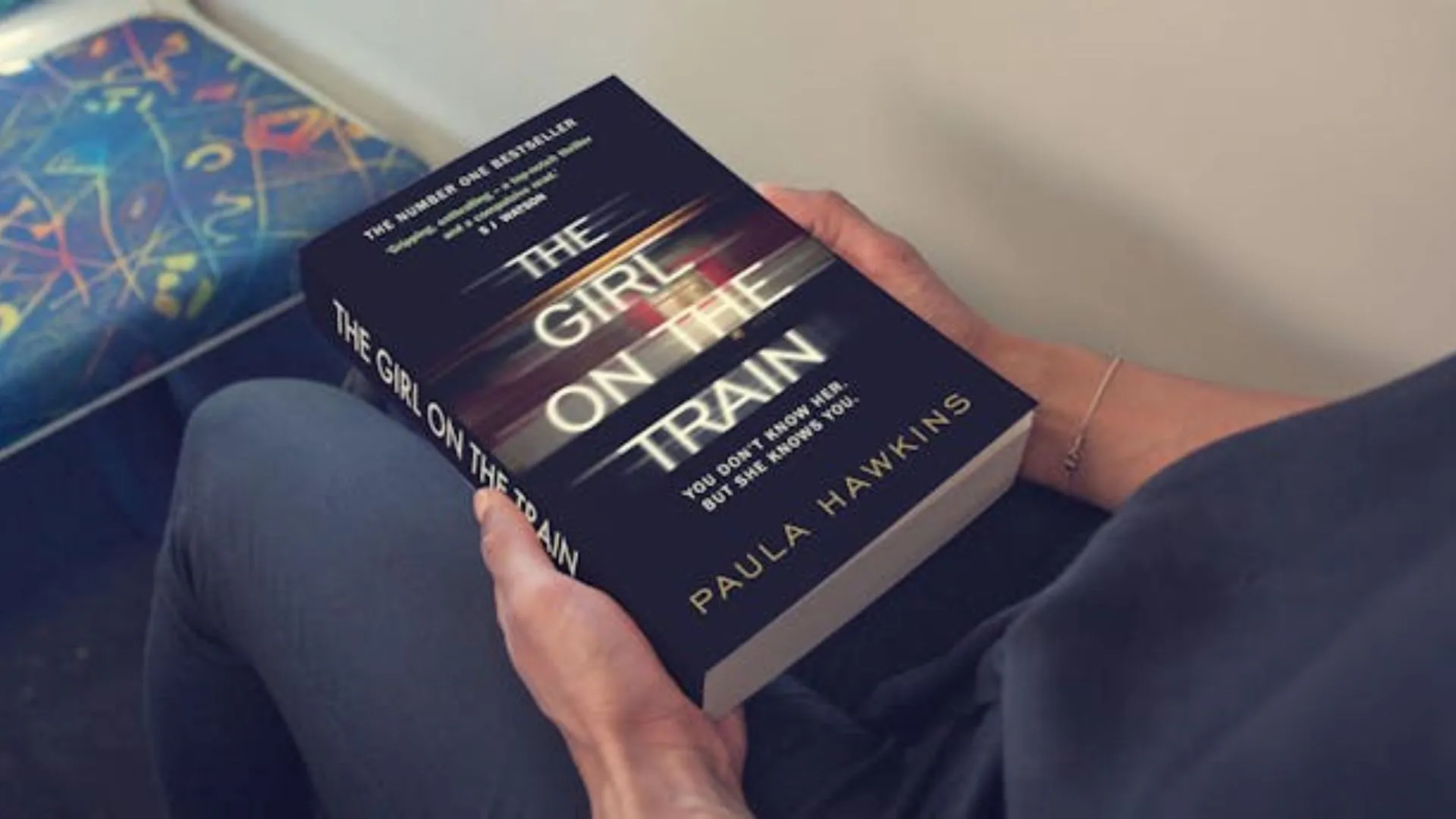
Rachel takes the same train every day. She passes the same houses. She sees the same couple in one of them. She gives them names. She imagines their perfect life. She does not really know them. But she feels like she does.
Then one day, something changes. She sees something from the train window that shocks her. Something that pulls her into a real crime.
The thing about Rachel is that she is not a reliable person. She drinks too much. She has blackouts. She does not always remember what she did. So when she says she saw something, can you believe her? Can she believe herself?
The book is a great example of the unreliable narrator trick. You never quite know what is real and what is not. It keeps you turning pages because you have to find out the truth.
Too Old for This
Samantha Downing writes about normal people doing terrible things. She sets her stories in places that look safe. Suburbs. Nice houses. Regular lives. Then she shows you what is underneath.
This book is about a retired female assassin. She wants to leave that life behind. She wants to be normal. But the past does not let go that easily.
What makes it work is the main character. She is practical. Competent. Cold when she needs to be. There is something unsettling about seeing that kind of capability in a person who seems so ordinary. It makes you wonder about the people around you. What are they capable of? What secrets are they hiding?
The Silent Patient
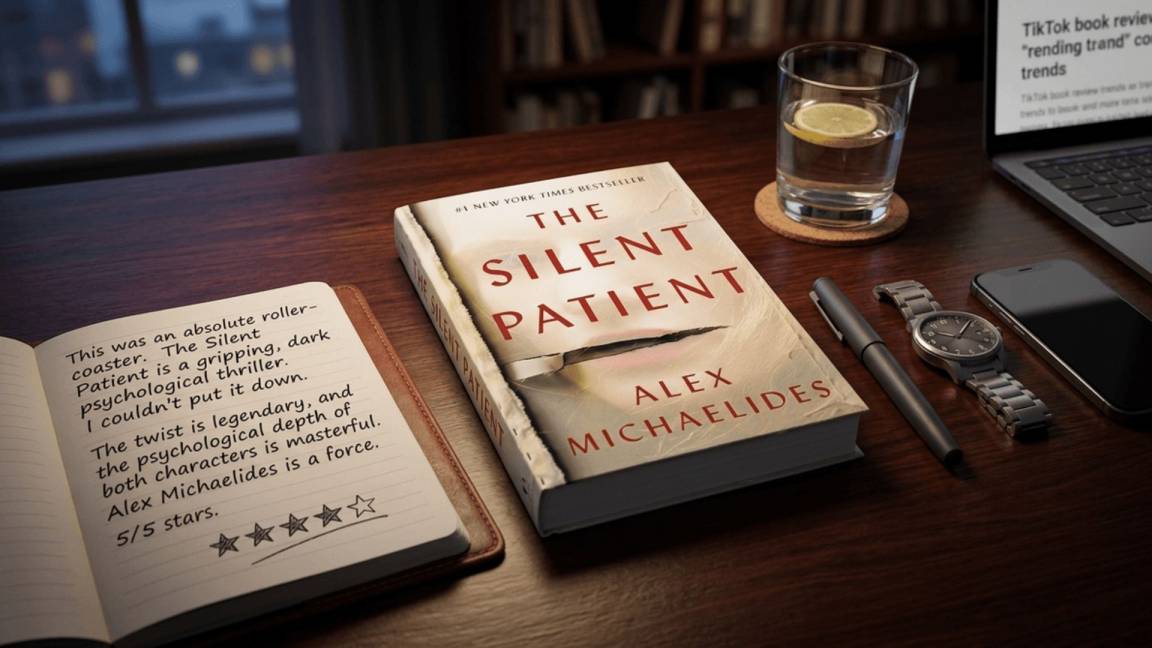
This book starts with a shock. A woman shoots her husband in the face. Five times. Then she stops talking. Completely. No explanation. No answers. Just silence.
Years go by. She is in a psychiatric unit. She still does not speak. Then a psychotherapist gets a job there. He is obsessed with her case. He wants to be the one to break through. To get her to talk.
The book unfolds slowly. You learn about her life. About her marriage. About the things that led to that night. The therapist has his own issues too. His own secrets.
The ending is the kind that makes you want to go back and read the whole thing again. You realize you missed things. Important things. It is a book that rewards close attention.
Why We Read These Books?
I have thought a lot about why people enjoy these stories. On the surface, they are about terrible things. Violence. Murder. Fear. Not exactly pleasant topics.
But I think it is about something else. It is about understanding. We want to know why people do what they do. We want to understand the dark parts of human nature. Not because we want to do those things. Because we want to protect ourselves from them. We want to see the warning signs. We want to know what to look for.
There is also something about the tension. The uncertainty. The feeling of not knowing who to trust. A good psychological thriller keeps you off balance. You think you have it figured out. Then the story goes somewhere else. That is part of the psychological crime thriller books for adults.
You May Also Like: Best True Crime Books About Serial Killers Psychology
What to Look For?
When you are picking a psychological thriller, here is what I look for.
First, the character work. The book has to make me care about the people in it. Even the ones I do not like. Especially the ones I do not like. I need to understand them. To see what makes them tick.
Second, the tension. A good thriller does not have to be fast-paced. It just has to keep you reading. The best ones build tension slowly. They make you feel like something is wrong. Even if you are not sure what.
Third, the ending. A psychological thriller lives or dies by its ending. It has to pay off. It has to answer the questions it raised. But it should also leave you thinking. Make you want to go back and see what you missed.
Final Thoughts
These books are not for everyone. They deal with dark topics. They show people at their worst. They ask uncomfortable questions.
But for people who like that kind of thing, there is nothing else like them. They are the kind of books that keep you up at night. Not because you are scared. Because you cannot stop thinking about them. Because you have to know what happens next.
The best ones are not just about crime. They are about people. About what breaks us. About what makes us keep going. About the line between good and evil and how thin it really is.
If you are looking for something to read, any of these books would be a good place to start. They are all different. They all do something interesting with the genre. They all have something to say. And they will all stay with you for a long time after you finish the last page.