
Best True Crime Books For Beginners
Most "beginner" true crime lists hand you the same five books and call it a day. That approach fails new readers because true crime is not one thing. It is a wide genre that includes literary journalism, memoir, historical investigation, and quiet social history. If you start with the wrong book, you will either be bored or disturbed in a way that makes you quit the genre entirely.
This guide does something different. It explains what makes a good first true crime book, then recommends specific titles that work for different comfort levels and interests. Every book here is chosen because it is well written, easy to follow, and respectful of the people involved.
What makes a true crime book good for a beginner?
A good first true crime book does three things.
It tells a clear story. You should be able to follow what happened without keeping notes. The best authors explain the timeline and the people involved without assuming you already know the case.
It does not rely on shock value. Graphic detail is not the same as good writing. A strong book makes you think about why a crime happened and what it revealed about the world around it. It does not just describe violence.
It respects the victims. Many older true crime books treat murdered people as background characters. Modern readers expect more. A beginner-friendly book should make the victims feel like real people, not just names in a case file.
If a book meets those three standards, it will work for almost anyone. The recommendations below all do.
Read Also: Best Crime Books For Beginners
The book that started the genre (and still holds up)
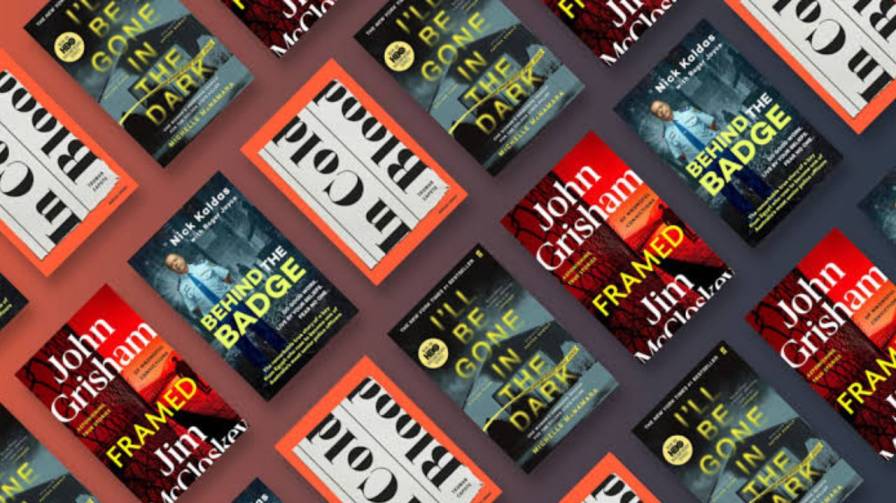
In Cold Blood by Truman Capote
This is the book most people name when they talk about true crime as literature. Capote spent years reporting on the 1959 murder of a Kansas farm family. He interviewed investigators, neighbors, and the two men who committed the crime.
The result reads like a novel. Capote controls pacing and detail in a way that makes the book hard to put down. It also raised questions that still matter: How much did Capote shape the story to fit his narrative? Did he get too close to his subjects?
For a beginner, the value is simple. This book shows what the genre can do when a skilled writer takes it seriously. Start here if you want to understand why people care about true crime in the first place .
A modern classic about obsession
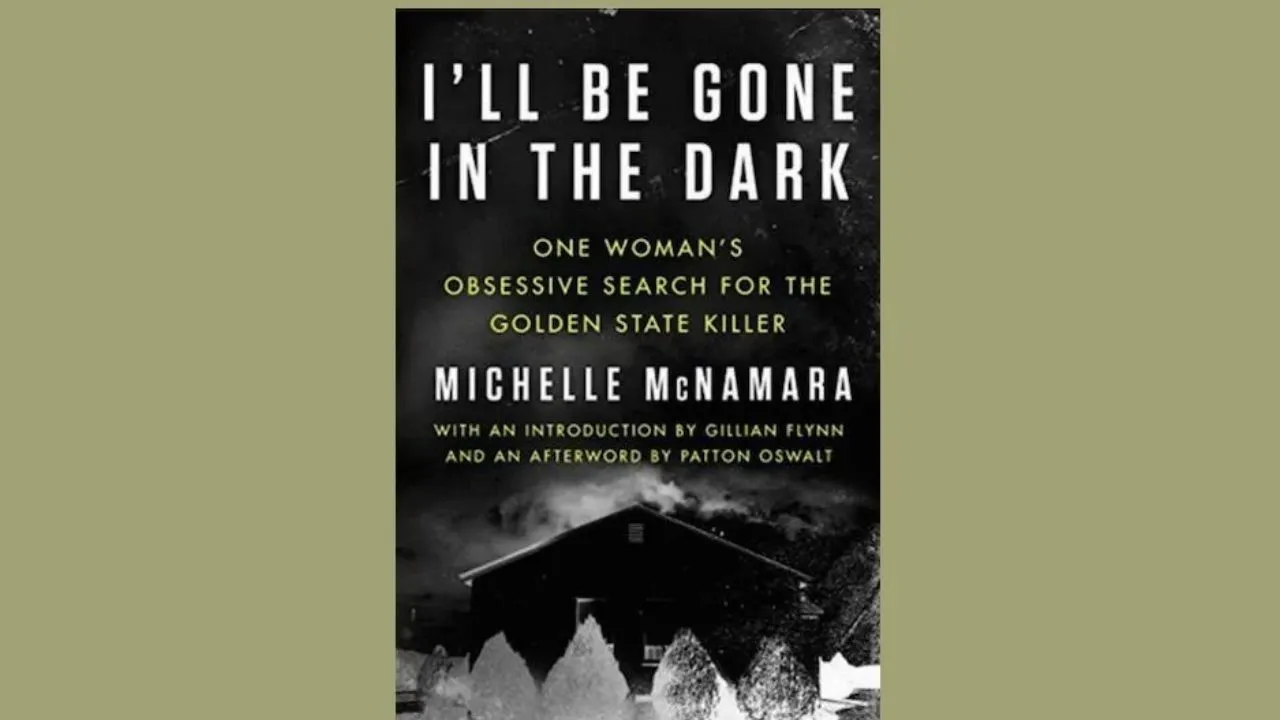
I'll Be Gone in the Dark by Michelle McNamara
McNamara spent years investigating the Golden State Killer, a man who terrorized California for decades. She died before the case was solved, and the book was finished by her editors and colleagues.
What makes this book work for beginners is that McNamara writes about her own obsession as much as the crimes. You watch her chase leads, hit dead ends, and become consumed by the need to know who did it. That personal angle makes the book feel human. It also makes the investigation easy to follow because you are learning alongside her .
One warning: the book is unfinished. The final chapters are pieced together. Some readers find that frustrating. Others find it moving. Either way, it is a real look at what true crime research actually feels like.
When you want the story without the gore?
The Feather Thief by Kirk Wallace Johnson
Not every true crime book is about murder. Some of the best ones are about strange obsessions and quiet thefts.
This book tells the story of a young man who stole hundreds of rare bird specimens from a British natural history museum. He did it to feed a niche community of people who tie fishing flies using exotic feathers. The crime is bizarre. The investigation is fascinating. Nobody dies.
If you are curious about true crime but worried that murder stories will keep you up at night, this is the book to start with. It has all the tension of a good investigation without the horror .
A book that makes you think about the bigger picture
Killers of the Flower Moon by David Grann
In the 1920s, members of the Osage Nation in Oklahoma were among the richest people in the world. Oil had been found under their land. Then people started dying. Dozens of Osage were murdered under mysterious circumstances, and the newly formed FBI was brought in to investigate.
Grann does something that beginner-friendly true crime should do: he connects the crimes to a larger history. The murders were not random. They were part of a system that allowed white guardians to control Osage money. The book explains that system clearly without becoming academic .
This is a good choice if you want a true crime book that teaches you something beyond the case itself.
A quieter, more personal option
The Red Parts by Maggie Nelson
Nelson's aunt was murdered in 1969. The case went cold. Decades later, new DNA evidence led to a trial. Nelson wrote this book about the experience of watching her family's tragedy become a public spectacle.
This is a memoir as much as a true crime book. It is short, intense, and beautifully written. It will appeal to readers who care more about how crime affects people than about detective work.
Be aware that Nelson's style is more literary than most true crime. If you want a straightforward "what happened" narrative, this is not the right first book. If you want to understand the emotional weight of a case, it is .
What to avoid as a beginner?
Some true crime classics are not good starting points.
Books written in the 1970s and 1980s often contain language about victims and mental illness that feels dated or offensive today. Long, detailed accounts of serial killers can be exhausting if you are not already used to the genre. And some popular titles focus so heavily on the killer that the victims disappear.
A simple rule: if the book description talks more about the killer than the people he hurt, save it for later. Start with books that treat the case as a story about people, not a puzzle about a monster.
You May Also Like: Best Crime Books With Multiple Suspects
How to choose your first book?
- Ask yourself one question: what do I want to feel while reading?
- If you want to be gripped by a well-told story, start with In Cold Blood.
- If you want to follow an investigation from the inside, try I'll Be Gone in the Dark.
- If you want something strange and tense without murder, pick The Feather Thief.
- If you want to learn something about history and justice, choose Killers of the Flower Moon.
- If you want something personal and short, read The Red Parts.
- Any of these will give you a real sense of what true crime can be at its best. From there, you can follow your curiosity wherever it leads.
Frequently asked questions
Do I need to know anything about true crime before reading these books?
No. Every book on this list explains the case from the beginning. You do not need to know the names, the timeline, or the outcome.
Are these books scary?
Some are more intense than others. I'll Be Gone in the Dark deals with a serial rapist and killer. In Cold Blood describes a brutal murder. The Feather Thief and Killers of the Flower Moon are less graphically violent. Choose based on what you can handle.
What is the shortest book on this list?
The Red Parts is the shortest. It can be read in a few hours. The Feather Thief is also relatively short and moves quickly.
Should I read the book or watch the movie first?
Read the book first. Every film adaptation changes the story to fit the screen. If you see the movie first, you lose the experience of discovering the case through the author's writing. That discovery is a big part of what makes these books work.