
Best Finance Books for Young Adults
Money is a thing that many young people in India do not understand fully. You go to college, you learn engineering or commerce or arts, but nobody teaches you what to do with your salary. Your father saves money. Your mother puts gold in the locker. But nobody sits with you and says, "This is how you handle your money when you are twenty two years old."
That is why books are useful. Books give you the time to think. You read one chapter. You close the book. You think about your own life. Then you read again. This is better than watching a ten minute video where a person talks very fast and you forget everything after two days.
In this article I will tell you the best finance books for young adults in India. These books are not difficult to read. They do not use hard words. They do not expect you to know anything about the stock market before you start. You can be a college student or a person who just got the first job. These books will help you.
Why Young Adults in India Need Finance Books?
Let me tell you one truth. Your school did not teach you about money. Your college did not teach you about money. Your parents love you but they also did not teach you about money because nobody taught them. So now you are twenty something and you have a bank account and maybe a credit card and you are confused.
You see your friends buying new phones on EMIs. You see Instagram reels showing rich people. You feel you are behind. But the thing is, most young people in India make the same mistakes. They spend everything they earn. They take loans for things that lose value. They never put money aside for the future.
A good finance book changes this. It does not give you a list of rules that you have to follow like a robot. It changes the way your mind thinks about money. Once your thinking changes, your actions change by themselves.
I have read many finance books over the last eight years. Some are very heavy. Some are written for American people and do not make sense for Indian situations. But the books I am listing here are different. They work for Indian young adults.
Read Also: List of Classic Novels for Students
Book 1 – Let's Talk Money by Monika Halan
If you are a young adult in India and you read only one finance book in your whole life, this should be that book. Monika Halan is a person who has worked in the finance media for many years in India. She understands how Indian banks work. She understands how Indian taxes work. She understands the mind of a normal Indian middle class person.
The book is very simple. She does not use any hard words. She does not tell you to become rich in six months. Instead she gives you a very simple system. She says you should have three things in your money life. One is a savings account for daily needs. Second is a separate account for your goals like buying a bike or going on a trip. Third is a way to put money for the long term.
What I like most about this book is that it respects your situation. She does not say stop drinking tea from the tapri. She does not say never buy new clothes. She says money management should fit inside your normal life, not the other way.
For a young adult in India who is earning twenty five or thirty thousand rupees per month, this book is a life saver. You will finish this book in two or three days because the language is very easy.
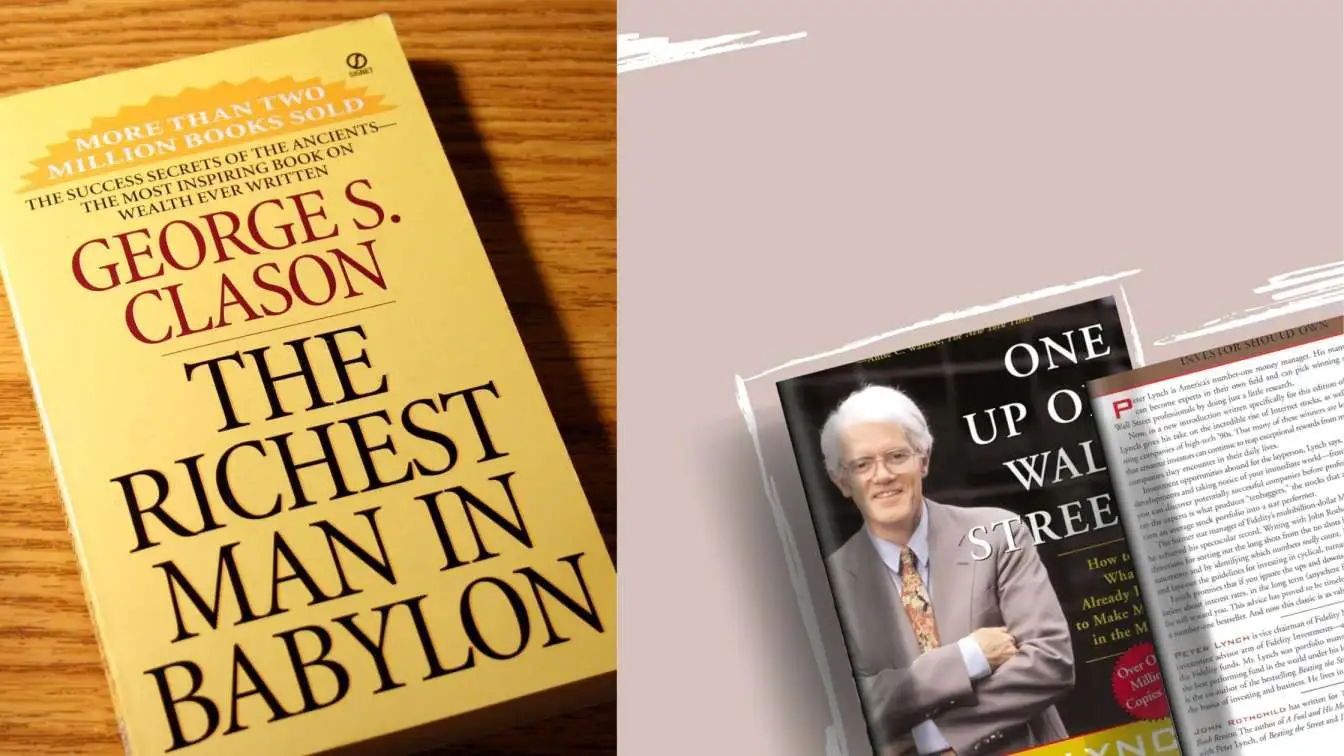
Book 2 – The Richest Man in Babylon by George Clason
This is an old book. It was written almost one hundred years ago. But the lessons in this book are still fresh. The book is written like a story. It happens in a very old city called Babylon. In that city there is a rich man who tells other people how he became rich.
The book teaches seven simple rules. I will tell you the most important one. The rule says before you pay anyone else, pay yourself first. What does this mean? It means every time you get your salary, take some part of it and put it in a separate place before you pay the landlord, before you pay the delivery person, before you pay anyone. That part is for your future. That part is your money that you will never touch for daily things.
Young people in India find this rule very useful because most of us pay everyone else first. We pay the rent. We pay the electricity bill. We pay the wifi bill. We pay for the food delivery. Then at the end of the month there is nothing left. This book changes that order.
The language is simple. The stories are enjoyable. You can read this book even if you hate reading.
Book 3 – Psychology of Money by Morgan Housel
This book is not about maths. It does not tell you how to calculate returns. It does not give you tables and charts. Instead it tells you about the mind. Because money is not about numbers. Money is about how you behave. Two people can have the same salary and the same expenses but one becomes rich and the other stays poor. The difference is in the mind.
This book tells you many small stories. Each story teaches you one thing about how people think about money. For example one story says being rich and looking rich are two different things. A person can buy a very expensive car and look rich but that person is actually poorer than before because that money is gone. Another person can drive an old car but have a lot of money saved in the bank. That person is rich but does not look rich.
For Indian young adults this lesson is very important because we live in a time where everyone is showing off on Instagram. You see a friend posting from a resort and you feel bad about your own life. But that friend may have taken a loan for that trip. That friend may have spent three months of savings on two days of showing off. This book helps you see these things clearly.
The writer is American but the stories he tells are useful for any human being anywhere.
Book 4 – Rich Dad Poor Dad by Robert Kiyosaki
This book is famous all over the world. Many people have said bad things about the writer. They say the story is fake. They say the writer has done wrong things in his business. But here is the truth. The ideas in this book are still useful. You do not have to believe the story. You just have to look at the ideas and see if they help you.
The book has one big idea. It says there is a difference between an asset and a liability. An asset is something that puts money in your pocket. A liability is something that takes money from your pocket. You think your house is an asset. But if you are living in that house and paying loan for it, that house is actually a liability because every month money goes out of your pocket. A rental house that gives you rent money every month is an asset.
Young people in India buy many things thinking they are assets. They buy a bike on loan. They buy the latest phone on EMI. These things are not assets because they do not bring money in. In fact they take money out every month in the form of EMI.
This book opens your eyes to this simple difference. Once you see this difference, your spending habits change slowly.
Book 5 – The Total Money Makeover by Dave Ramsey
Dave Ramsey is an American person who helps people get out of debt. His way of talking is very direct. He shouts sometimes. But his method works. In India we also have a lot of young people who take personal loans and credit card loans. These loans have very high interest. The banks are very happy because you are paying them extra money every month.
This book gives you a step by step plan. The first step is to save a small emergency fund of maybe five or ten thousand rupees. The second step is to pay off all your small loans first. The third step is to save more. The steps are very clear. You do not have to think. You just follow.
For a young adult in India who has taken a loan to buy a phone or a bike or has spent too much on a credit card, this book is a very good friend. It does not shame you for taking loans. It just gives you a way to come out.
Book 6 – One Up On Wall Street by Peter Lynch
This book is a little more advanced. But I am putting it here because many young adults in India are now putting money in the stock market through apps like Groww and Zerodha. They see their friends making money. They also want to make money. But they do not know what they are doing. They buy shares because someone on YouTube said that share will go up.
Peter Lynch says a very simple thing. He says you can find good companies by looking around you. What products do you use every day? What chai do you drink? What soap does your mother buy? What phone does your friend want to buy next? These are clues. If a company makes a product that people love and need, that company will probably do well.
This book teaches you how to think about the stock market without getting confused by big news and big words. It is written in a friendly way. You will feel like a smart person is talking to you casually.
You May Also Like: House Church Using Book Of Common Prayer
Book 7 – You Can Be Rich Too by P V Subramanyam
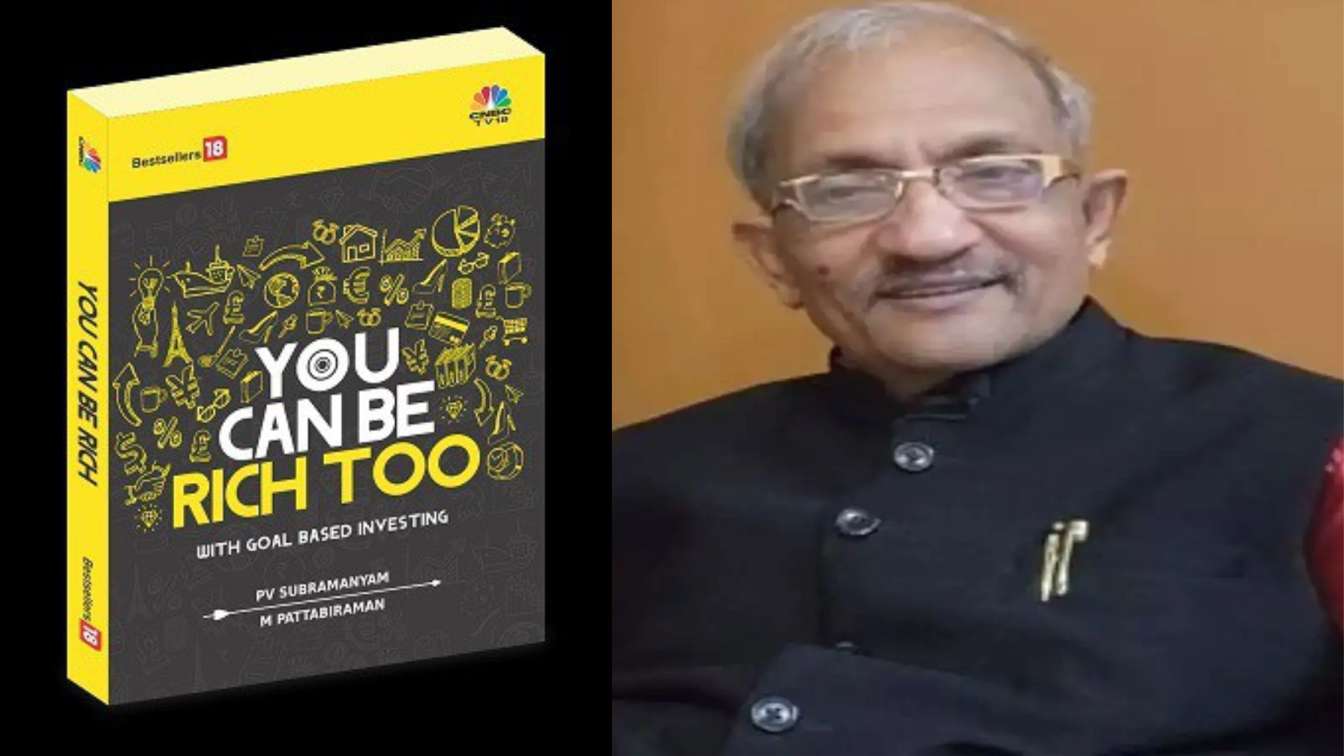
This book is written by an Indian person for Indian people. The writer is a well known teacher of finance. He has a very simple style. He says the first thing you must do is get a life insurance and a health insurance. Many young people ignore this because they think nothing will happen to them. But life is not sure. If something happens to you, your family should not suffer.
He also talks about how much you should save. He gives a very simple number. Save at least twenty percent of whatever you earn. If you earn ten thousand, save two thousand. If you earn fifty thousand, save ten thousand. Do not touch that money. Put it in something safe.
This book is very good for a young person who is starting from zero. No previous knowledge is needed. You can read this book on a weekend and start doing things on Monday.
How to Read These Books?
Do not try to read all seven books in one month. That will make your head heavy. Pick one book from this list. Read it slowly. Keep a small notebook with you. Every time you get an idea, write it down in your own words. Then try one small thing from that book. See how it feels. Then after two weeks, pick another book.
Reading without doing is waste of time. These books only help you if you take one small action after reading. The action can be very small. For example after reading The Richest Man in Babylon you can decide that this month you will save one hundred rupees before spending anything. That is a good start.
What to Do After Reading These Books?
After you finish two or three books from this list, your mind will be different. You will look at money in a new way. You will not feel scared of the future. You will not feel jealous of people who show off. You will have your own quiet plan.
The next step is to start a simple system. Open a small recurring deposit in your bank. Or start a SIP in a good mutual fund. Or simply put money in a separate savings account that you do not touch. The system does not have to be perfect. It just has to be there.
And remember one last thing. Money is not the goal of life. The goal of life is to live well and be free. Money is just a tool. These books teach you how to use that tool properly so that you can focus on the things that really matter to you. Your family. Your health. Your peace of mind.
Conclusion
I have given you a list of seven books. Every book on this list has helped real young people in India. Some of these people have written to me saying that one book changed the way they spend money. Some said they paid off their loans after reading one book. Some said they started saving for the first time in their life.
You do not need to be a topper in maths. You do not need to be a CA. You just need to be a person who wants to do better with money. That is all. Pick one book from this list. Get it from Amazon or from a local book shop. Read ten pages today. Start your best finance books for young adults.
Money is not hard. You just never had a teacher. Now you have seven books. That is more than enough. Good luck.