
Books About Habits And Self Discipline
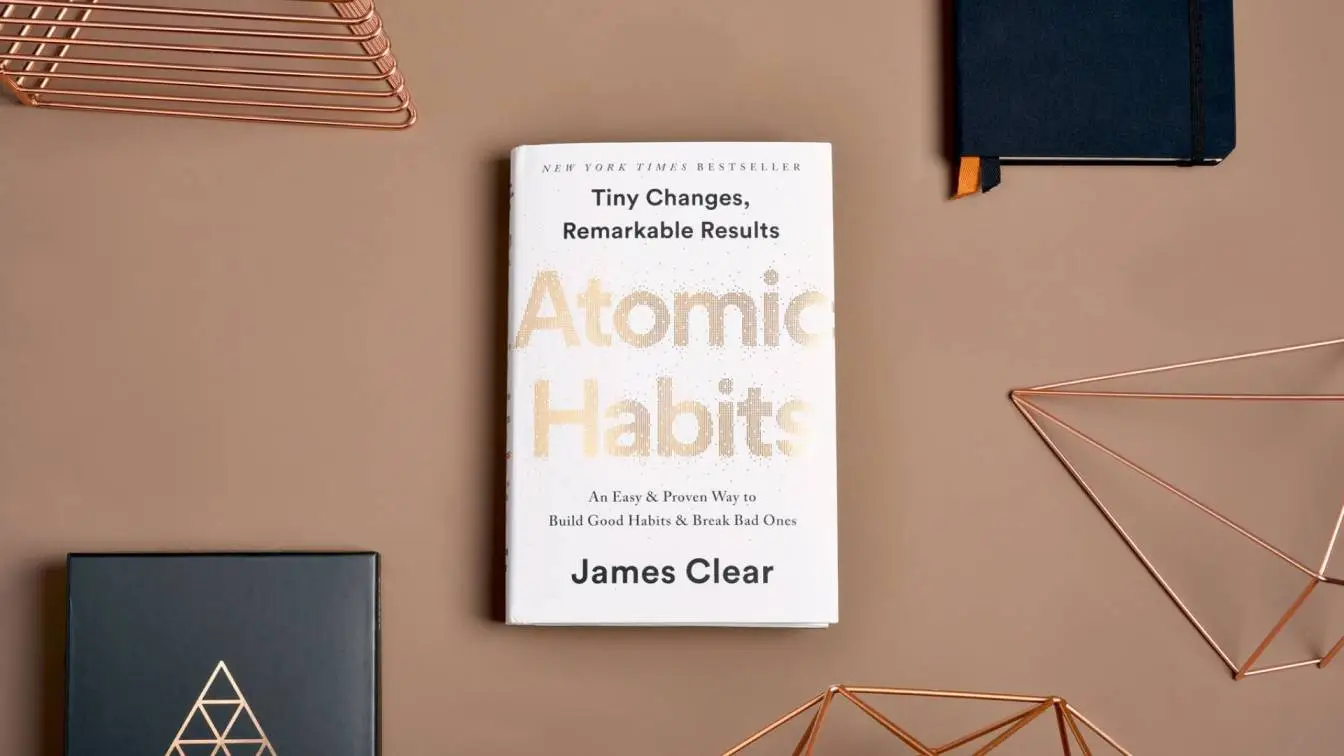
Look. I have wasted a lot of money on self-help books. Some of them sit on my shelf. Unread. Some I read but forgot the next day. A few actually stuck. Those are the ones I want to talk about. Not because they are famous. Not because everyone says they are good. But because they helped me. In real ways. In small ways. In ways that made me feel like I was not broken. Because that is how I felt before. Broken. Like something was wrong with me. Why could I not just do the thing? Why did I keep eating junk food? Why did I keep scrolling on my phone instead of sleeping? Why did I start projects and never finish them?
I thought I lacked willpower. I thought I was lazy. I thought I was just not built for success. Turns out, I was wrong. I just did not understand how habits work. Nobody ever taught me. So let me tell you what I learned. And the books that taught me books about habits and self discipline.
Let us start with the one that actually changed my life.
Transform Your Life: Top Books on Habits and Discipline
 .
.
Read Also: Historical Fiction Books Set in 19th Century America
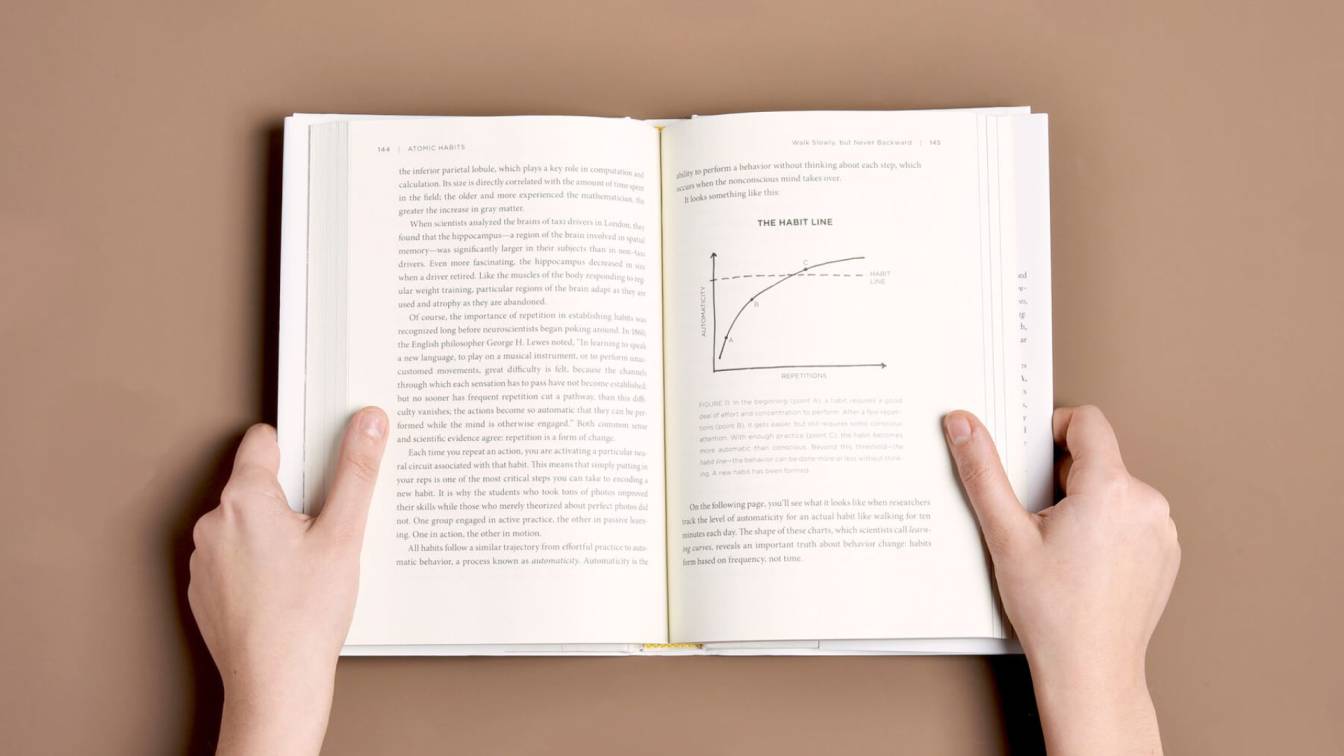
Atomic Habits.
I know. I know. Everyone talks about this book. It is overhyped. That is what I thought too. But I was wrong. James Clear writes like a human being. Not a professor. Not a guru. Just a guy who figured some stuff out. The big idea is stupid simple. You do not need to make big changes. You need to make tiny changes. One percent better every day. That is it. That is the whole thing. But then he explains why this works. Our brains are wired for immediate rewards. Big changes feel hard. They feel scary. So we avoid them. Small changes do not feel hard. They feel easy. So we do them.
And over time? Those small changes pile up. Like snow. First it is just a few flakes. Then it is a snowball. Then it is an avalanche. I tried this. I wanted to read more books. I started reading one page a day. One page. That is nothing. Anybody can read one page. But what happened? I never stopped at one page. I always read more. Because once I started, it was easy to keep going. The book has this system. Four rules. Make it obvious. Make it attractive. Make it easy. Make it satisfying.
Make it obvious means putting your habit in plain sight. I wanted to drink more water. I put a water bottle on my desk. Right in front of my face. I could not avoid it. So I drank. Make it attractive means linking your habit to something you already like. I hate running. But I love podcasts. So I only let myself listen to podcasts while running. Now I look forward to running. That is messed up. But it works. Make it easy means lowering the barrier. I wanted to floss. I bought a pack of floss sticks and put them on my bathroom counter. No more opening a box. No more winding floss around my fingers. Just pick up a stick and go.
Make it satisfying means giving yourself a reward. I tracked my habits on a calendar. Every day I did them, I put a big X on the calendar. Seeing that chain of Xs felt good. I did not want to break the chain. That book made me stop hating myself. It showed me that I was not lazy. I was just using the wrong system. Once I fixed the system, everything changed.
The Power of Habit.
This one is different. It is more like a science book. Charles Duhigg is a journalist. He does deep research. He interviews experts. He tells stories. The main idea is the habit loop. Cue, routine, reward. The cue tells your brain to start a habit. The routine is the habit itself. The reward is the payoff. Once you see this loop, you can hack it. You keep the cue and the reward. You change the routine. This helped me quit smoking. I know that is a cliché. But it is true. My cue was driving. Every time I got in my car, I wanted a cigarette. My reward was relaxation. So I changed the routine. Instead of smoking, I chewed gum. Same cue. Same reward. Different routine.
It took a while. But it worked. The book also talks about organizational habits. How companies work. How cultures form. That part was interesting but not as useful to me personally. One thing I did not like. The book is dense. Too many stories. Too much information. Sometimes I forgot what the main point was. Still worth reading. Especially if you like understanding why things work instead of just being told what to do.
Deep Work.
This book made me angry. Because it told me the truth. And the truth hurt. Cal Newport says we have become distracted. Completely. Utterly. Destroyingly distracted. We cannot focus on anything for more than a few minutes. We check our phones. We check our email. We scroll through social media. And we think this is normal. But it is not normal. It is a problem. A big one.
Because the people who can focus are the people who succeed. They do deep work. Work that requires concentration. Work that creates value. Work that cannot be done in five minutes. Newport gives you rules. Shut off your notifications. Schedule deep work time. Do not check email in the morning. Work in focused books about habits and self discipline. I tried this. It was painful. I realized I was not as busy as I thought I was. I was just scattered. Doing a million little things. None of them mattered. Now I work in two-hour blocks. No phone. No email. Just me and the work. At first, I could not make it ten minutes. My brain craved distraction. But I kept at it. Now I can go two hours. Sometimes more.
My productivity doubled. I am not exaggerating. The book is dry. Newport is an academic. He writes like one. But the content is gold.
The 7 Habits of Highly Effective People.
My dad gave me this book. I did not want to read it. It looked old. It looked boring. It looked like something a corporate guy would read. My dad is a corporate guy. But he is also smart. So I read it. This book is not about quick fixes. It is about principles. Ways of living that make you effective. Not just at work. At life. The first habit is be proactive. That means taking responsibility. Stop blaming others. Stop blaming circumstances. You choose how to react. Nobody else. The second habit is begin with the end in mind. Know what you want. Before you start, know where you are going. Most people do not do this. They just wander.
The third habit is put first things first. Do what matters. Not just what is urgent. There is a difference. Usually, what is urgent is not important. And what is important is not urgent. These three habits are about you. The next three are about other people. Think win-win. Seek first to understand, then to be understood. Synergize. The last habit is about renewal. Take care of yourself. Physically. Mentally. Emotionally. Spiritually. I found this book hard to read. But worth it. It made me think about my life. Not just my habits. My whole life.
Grit.
Angela Duckworth is a researcher. She studied people who succeed. She wanted to know why. What makes them different? She found that it is not talent. It is grit. Passion and perseverance. Sticking with something for a long time. Not giving up when it gets hard. She studied West Point cadets. The ones who made it through were not the smartest or the strongest. They were the grittiest. They kept going when others quit. She studied spelling bee winners. Same thing. Not the smartest kids. The kids who practiced the most.
She says you can grow grit. Find something you care about. Practice deliberately. Have a growth mindset. I liked this book. But I did not love it. It felt like a long research paper. Too much data. Not enough story. But the main idea is powerful. Talent does not matter as much as effort. That is good news. Because effort is something you can control.
You May Also Like: Classic Romance Novels: Timeless Tales of Love and Longing
No Excuses!
- Brian Tracy is not subtle. His book is short. Direct. No fluff.
- He says self-discipline is the key to everything. Personal success. Career success. Financial success. All of it.
- His big thing is beating procrastination. Procrastination is the enemy. It kills dreams. It kills careers. It kills everything.
- How do you beat it? Just start. Do one small thing. Once you start, momentum takes over.
- I tried this. It works. The hardest part is starting. After that, it is easier.
- He also talks about time management. Plan your day. Work on the most important thing first. Do not check email until you have done your real work.
- This book is not inspiring. It is practical. Sometimes practical is better.
Can't Hurt Me.
David Goggins is insane. He did things that should not be possible. He ran races that are 100 miles long. He did it with broken bones. With kidney failure. With injuries that would put most people in the hospital. His childhood was a nightmare. Abuse, racism, poverty. He was overweight. He was depressed. He hated himself. He decided to change. He became a Navy SEAL. Then he became an endurance athlete. Then he became famous.
This book tells his story. It is brutal. Ugly. Uncomfortable. He has this rule. The 40% rule. When your brain tells you to stop, you have only used 40% of your capacity. You have 60% more. Your brain lies to you. It wants you to be comfortable. It wants you to quit.
I did not like this book. Reading it felt like getting yelled at. But it changed me. I stopped quitting as early. I started pushing further. I do not want to be like Goggins. That is too extreme. But I want a little bit of that fire.
The Compound Effect.
Darren Hardy writes about small actions.
- He says success comes from small decisions. You make one good decision today. You make it again tomorrow. You keep making it. Over time, it adds up.
- He compares it to compound interest. A small investment grows. It builds on itself. The same with habits.
- He also says to track your progress. Write it down. See it. This keeps you motivated.
- I tried this. I tracked my workouts. My reading. My meditation. Seeing the data made me want to keep going.
- This book is simple. Maybe too simple. But sometimes simple is exactly what you need.
- One more thing. Because nobody told me this.
Discipline is not about motivation.
Motivation comes and goes. Some days you have it. Some days you do not. If you rely on motivation, you will fail. You cannot control motivation. It is like the weather. It changes. Discipline is different. Discipline is doing what you said you would do. Even when you do not feel like it. Especially when you do not feel like it.
You do not need to feel good to act. You act. Then you feel good after.
This is what these books taught me. All of them, in their own way.
How to actually use these books.
- Do not read them all. Pick one. Read it. Take notes. Try one thing. Just one.
- Then read another. Take one more thing. Build your own system.
- That is what I did. I took habit tracking from Atomic Habits. I took the cue-routine-reward loop from The Power of Habit. I took deep work from Newport. I took the 40% rule from Goggins.
- I mixed them together. Now I have my own way of doing things. It works for me. It might not work for you. But that is fine. You can build your own.
- That is the point. These books give you tools. Not answers. The answers are yours to find.
Conclusion
You are not broken. You are not lazy. You just have not found the right system yet. Keep looking. Keep trying. Keep failing. And keep getting back up. That is discipline. Not perfection. Not never failing. Just getting back up. Every time. Forever. That is all.